

With the continuous advancement of high-performance fiber materials in the protective field, UHMWPE UD Fabric has emerged as the preferred choice for ballistic vests, explosion-proof equipment, and other critical protective materials due to its high tensile strength, low density, and exceptional impact resistance. However, the manufacturing process of UD Fabric is intricate and stringent, where even minor deviations in any step can significantly compromise the final material performance. Therefore, an in-depth analysis of its manufacturing process and optimization pathways provides theoretical support and technical assurance for producing high-performance products.
Overview of UHMWPE UD Fabric
Basic Properties of UHMWPE
UHMWPE (Ultra-High Molecular Weight Polyethylene) is a polyethylene material with a molecular weight exceeding 3 million, characterized by outstanding mechanical properties and chemical stability. Its high molecular chain structure grants it superior tensile strength, abrasion resistance, low-temperature impact resistance, and excellent UV resistance, making it a leading material in high-performance fibers.
|
Property |
Characteristics |
|
Tensile Strength |
5-15 times that of steel, offering extreme resistance to stretching |
|
Density |
~0.93 g/cm³, ensuring lightweight properties |
|
Wear Resistance |
Exceptional durability in high-impact and abrasive environments |
|
Low-Temperature Performance |
Operates effectively at -100°C, suitable for extreme cold conditions |
|
Chemical Stability |
Resistant to most chemicals |
Structural Features of UD Fabric
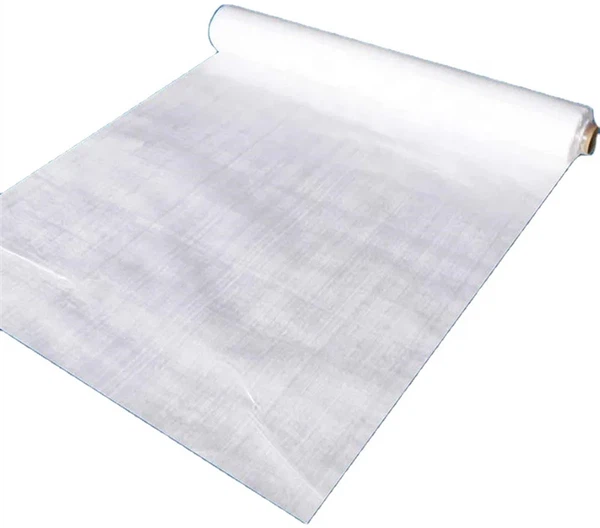
UD Fabric refers to a unidirectional fiber alignment structure. Unlike traditional woven fabrics, this unidirectional arrangement maximizes fiber strength, enabling higher tensile and impact resistance in the load-bearing direction. To achieve multi-directional impact resistance, cross-ply lamination is often employed, enhancing overall structural stability and performance.
|
Structural Feature |
Effect |
|
Unidirectional Fiber Alignment |
Enhances tensile strength and impact resistance in the primary direction |
|
Cross-Ply Lamination Design |
Improves multi-directional impact resistance and structural stability |
Manufacturing Process of UHMWPE UD Fabric
1. UHMWPE Fiber Production
Gel Spinning is the mainstream technique for producing high-performance UHMWPE fibers. This process involves dissolving polyethylene in a solvent (e.g., paraffin oil or xylene) to form a gel, followed by stretching and cooling to create fibers. Key parameters include solvent selection, spinning temperature (200–300°C), and draw ratio (5–8x), which determine molecular orientation, tensile strength, and modulus.
|
Parameter |
Impact |
Control Range |
|
Solvent Selection |
Affects crystallinity and orientation |
Paraffin oil, xylene |
|
Spinning Temperature |
Excess heat degrades fibers; low heat reduces orientation |
200–300°C |
|
Draw Ratio |
Higher ratios improve molecular alignment |
5–8x |
2. Unidirectional Layup and Fiber Alignment
Post-fiber production, unidirectional layup ensures precise fiber tension and alignment density. Advanced tension control systems prevent fiber breakage or misalignment, directly influencing material strength and stability.
|
Control Parameter |
Role |
Impact |
|
Fiber Tension |
Maintains optimal stretching |
Affects strength and stability |
|
Layup Density |
Ensures uniform fiber distribution per unit area |
Determines tensile and impact resistance |
3. Film Coating and Bonding
Thermoplastic film coating (e.g., PE or PP resins) binds fiber layers, enhancing interlayer friction and impact absorption. Film thickness (10–30 μm) and coating temperature (180–220°C) are critical for adhesion quality.
4. Composite Pressing and Multi-Layer Lamination
Cross-ply lamination (e.g., 0°/90° or 0°/45°/90°/135°) optimizes multi-directional performance. Lamination angles dictate tensile strength, impact resistance, and flexibility.
|
Lamination Design |
Effect |
Application |
|
0°/90° |
Maximizes unidirectional strength |
Armor, protective gear |
|
0°/45°/90°/135° |
Enhances multi-directional impact resistance |
Aerospace, sports equipment |
5. Post-Processing
Advanced treatments include:
- Thermal Stabilization: Reduces internal stress and improves dimensional stability.
- Functional Coatings: UV-resistant or waterproof coatings enhance durability in harsh environments.
Performance Optimization Pathways
1. Process Parameter Refinement
Adjusting draw ratio, film thickness, and thermal pressure to boost tensile strength and longevity.
2. Nanotechnology Integration
Adding graphene or carbon nanotubes improves mechanical properties (e.g., impact resistance) and enables smart material applications.
Conclusion
The production of UHMWPE UD Fabric is a highly sophisticated process requiring precision in gel spinning, unidirectional layup, coating, and lamination. Every parameter must be meticulously controlled to ensure optimal performance.
Contact Us for Expertise:
Qianxilong Company specializes in R&D and manufacturing of UHMWPE UD Fabric. We continuously refine our processes to deliver high-performance protective solutions.
Why Choose Qianxilong?
- Cutting-edge manufacturing technology
- Customized solutions for diverse industries
- Commitment to innovation and quality
Contact us now and let Qianxilong safeguard your projects with unparalleled expertise!